|
 |
History in
a Pecan Shell
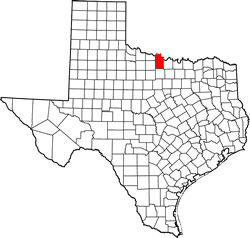
In 1901 farmer and rancher J.W. Lochridge was having a water well
dug on his property when the hired well-digger struck oil. This opened
Texas’ first North
Texas oil field. When word got out, absentee landowners returned
by the droves to claim the mineral rights to their holdings and the
resulting community became known as Oil City. The boom town
applied the name to its post office when it opened in June of 1904.
Later, with the arrival of the Wichita Falls and Oklahoma Railroad
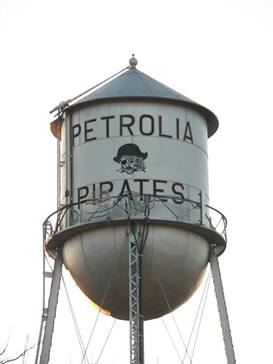
(1904), another town named Petrolia (after a Pennsylvania town of
that name) came into being.
Oil City residents moved the few miles to Petrolia, and then Petrolia
opened its own post office. After 13 months in operation, the Oil
City, Texas post office closed its doors.
In late 1905 Petrolia was thriving with all essential businesses,
including a furniture store and an ice house. Clay
County was technically “dry” but being a boom town, the community
lived up to the reputation of boom towns everywhere. The sale of liquor,
along with gambling and prostitution were tolerated, even as the community
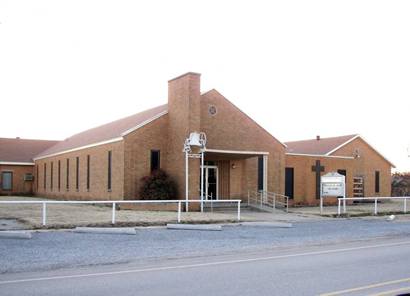
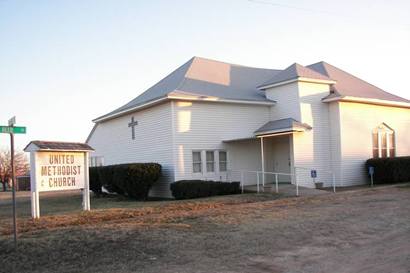
developed five church congregations (by 1914). From just over 500
residents in 1914, the town peaked at 914, in the mid-1920s. Petrolia
decided to incorporate sometime prior to 1930 but the Great Depression
took its toll and the number of resident declined to a low-water mark
of just under 600 in the 1940s.
During WWII,
the Wichita Falls and Oklahoma Railroad abandoned its line and the
rails went to the war effort. The population began a slow recovery,
reaching 762 residents in the early 1990s. |
 |
| Texas
Escapes, in its purpose to preserve historic, endangered and vanishing
Texas, asks that anyone wishing to share their local history, stories,
landmarks and recent or vintage photos, please contact
us. |
|
|
 HOME
HOME