|
| They
made their appearance in Texas towns
after hotels
and saloons, but before opera houses and city halls. They occupied
the most prominent corners of the town square and their doors opened
to both streets. Their architecture rivaled the county
courthouse and many were designed by the same
architects. With marble counters and bronze teller's cages, small
town banks had the interior prestige of post
offices. Their exteriors were Greco-Roman temples with columns
that reached to the heavens. They were impregnable fortresses where
the businessman kept his gold, the tradesman kept his silver and where
newsboys kept their copper pennies. |
Then
the unthinkable happened - they failed.
After the Great Depression the architectural prestige of the bank
was tarnished. Their vaults were just full of paper (and forclosures)
and their columns proved to be hollow. In the 50s they modernized.
They added automatic doors, and time/ temperature signs that never
worked properly. All across Texas these once noble buildings were
left vacant or became Mexican restaurants and antique stores. Only
in the downtowns of larger cities do they retain some of the dignity
they once had. Here is a celebration of bank architecture in Texas
- from the big cities to towns too small to have a drive-up window.
© John Troesser
|
| "A
bank is a place where they lend you an umbrella in fair weather and
ask for it back when it begins to rain." - Robert Frost |
Texas Bank
Buildings - Images:
|
|
|
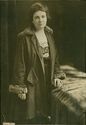
Anna
Martin, Frontier Banker by Michael Barr
Anna Martin is an entrepreneurial legend. She is believed to be
the first woman bank president in Texas and one of the first in
the United States.
|
|
|
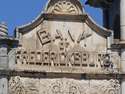
Banker
Smith by Michael Barr
Quite a few banks defaulted during the Panic of 1907, but the Bank
of Fredericksburg, along with two other East Texas banks run by
Banker Smith, weathered the crisis without closing doors or limiting
withdrawals.
|
|
|
 HOME
HOME