|
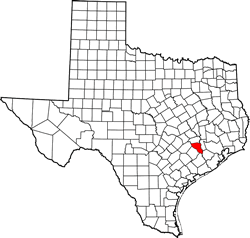
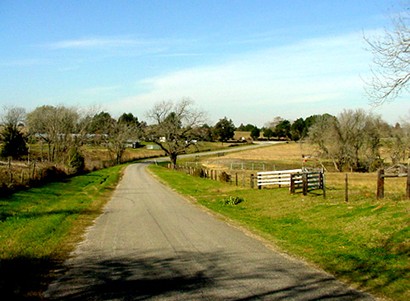
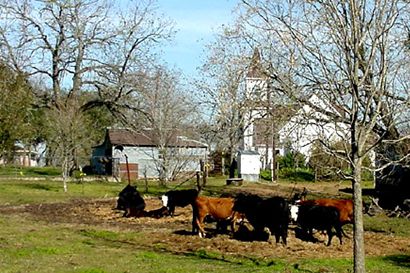
Nelsonville country
road
TE photo |
History
in a Pecan Shell
First settled in the 1850s, the town was named to honor
D.D. Nelson, local storekeeper in the mid 1860s. Nelson soon had competition
in the form of Isaac Lewis who opened his own store and raised the
stakes by building a gin.
The first sizable population was provided by Bohemian
settlers in the late 1860s and early 1870s. A post office was
granted in 1872 with the town’s doctor also serving as postmaster.
The population reached 100 in the mid 1880s and by the turn of the
century it had increased to around 150. After the closing of the post
office in 1909, it returned to 100.
Nelsonville maintained five businesses into the middle of the Great
Depression, but they disappeared over time and the proximity of Bellville
discouraged new businesses from opening.
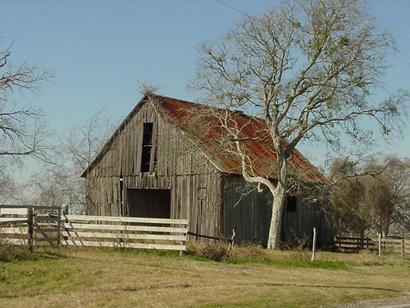
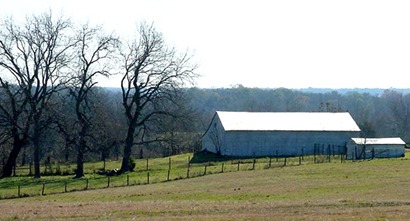
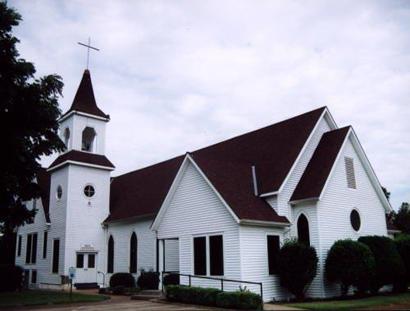
Today, the town is a tranquil farming community with the church being
the town’s centerpiece. The population remains around 100 – the number
given for both the 1990 and 200 census.
See Historical Marker: First
Czech Immigrants in Texas |
 |
 |
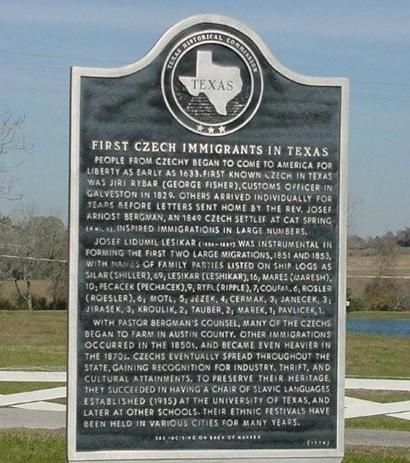 |
Historical Marker
:
First Czech
Immigrants in Texas
People from Czechy
began to come to America for liberty as early as 1633. First known
Czech in Texas was Jiri Rybar (George Fisher), customs officer in
Galveston
in 1829. Others arrived individually for years before letters sent
home by the Rev. Josef Arnost Bergman, an 1849 Czech settler at Cat
Spring (9 mi. S), inspired immigrants in large numbers.
Josef Lidumil Lesikar (1806-1887) was instrumental in forming the
first two large migrations, 1851 and 1853, with names of family parties
listed on ship logs as Silar (Shiller), 69; Lesikar (Leshikar), 16;
Mares (Maresh), 10; Pecacek (Pechacek), 9; Rypl (Ripple), 7; Coufal,
6; Rosler (Roesler), 6; Motl, 5; Jezek, 4; Cermak, 3; Janecek, 3;
Jirasek, 3; Kroulik, 2; Tauber, 2; Marek, 1; Pavlicek, 1.
With Pastor Bergman's counsel, many of the Czechs began to farm in
Austin county. Other immigrations occurred in the 1850s, and became
even heavier in the 1870s. Czechs eventually spread throughout the
state, gaining recognition for industry, thrift, and cultural attainments.
To preserve their heritage they succeeded in having a chair of Slavic
Languages established (1915) at the University of Texas, and later
at other schools. Their ethnic festivals have been held in various
cities for many years. |
 |
| Texas
Escapes, in its purpose to preserve historic, endangered and vanishing
Texas, asks that anyone wishing to share their local history
and vintage/historic photos, please contact
us. |
|
|
 HOME
HOME
 Texas
Gulf Coast
Texas
Gulf Coast East
Texas
East
Texas Central
Texas North
Central
Texas North Central
Texas South
Central
Texas South Texas
Panhandle
Texas
Panhandle South
Texas
South
Texas Texas
Hill Country
Texas
Hill Country West
Texas
West
Texas Texas
Ghost Towns
Texas
Ghost Towns Texas
Counties
Texas
Counties