|
 |
History
in a Pecan Shell
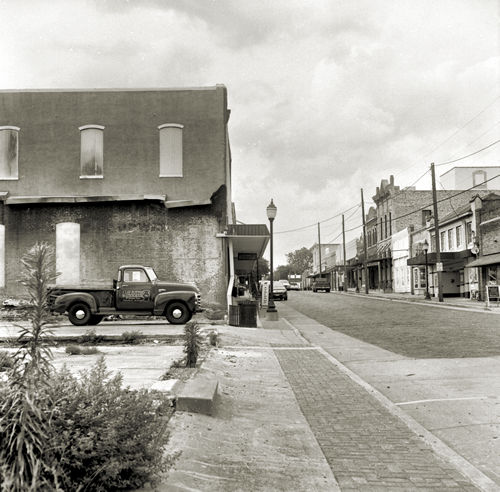
It may come as no surprise that the first settlers of this town were
farmers. The town drew the population of the smaller settlement of
Sugar Hill (2 miles NE) in 1854.
Farmersville was granted a post office in 1857. The land for the town
square was donated by one William Gotcher in 1859 and the town incorporated
14 years later.
In 1855 the Little Flock Primitive Baptist Church was organized, followed
by the First Methodist Church the next year. The First Baptist Church
was organized in 1865. Private schools were in operation in the 1860s
and the first public schools opened about 30 years later. A weekly
newspaper, the Times started publishing in 1885.
After the arrival of the railroad, Farmersville became a shipping
point for vegetables and bois d’arc fence posts. In 1980 the town
began “Old Time Saturday” which is an event that remembers pre-television
Texas.
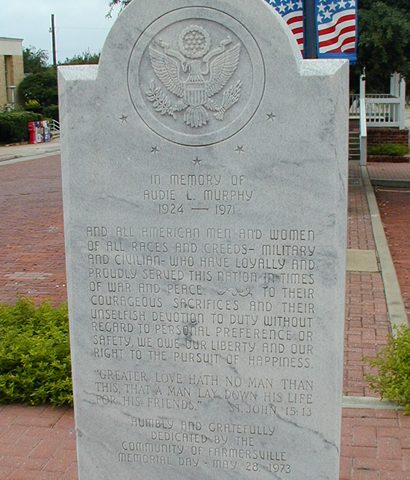
Audie Murphy was born nearby and lived in Farmersville before
his enlistment. The local library has a collection of Murphy memorabilia
in a designated room.
Farmersville owns its own electrical system. One of the town’s first
generators is on display in the park next to the library.
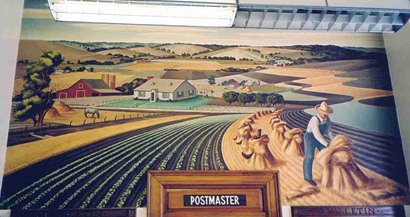
Farmersville’s post office exhibits a Depression-era
mural painted by Jerry Bywaters. |
 |
Photographer's
Note:
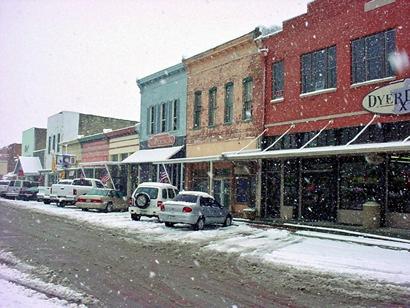
" Was quite surprised at what I found here. I pass through the
edge of town frequently, but had been 20 years or so since I'd been
downtown. They've really made an effort there. Audie Murphy was born
close by." - Mike
Price, October 16, 2007 |
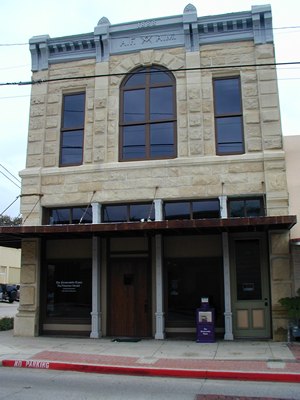
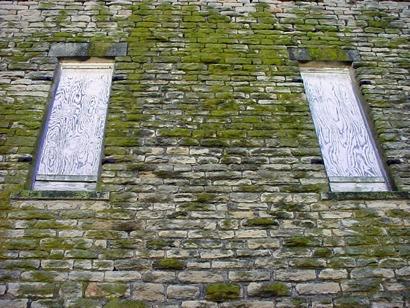
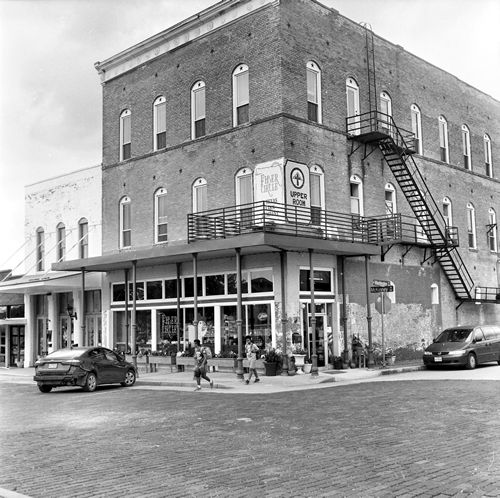
The 1888 Aston
Building
Photo courtesy Mike
Price, October 2007 |
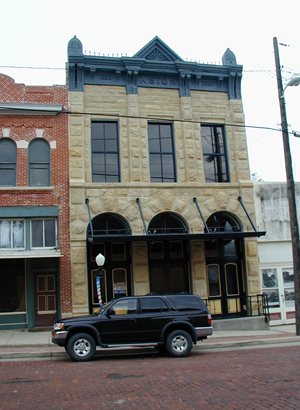
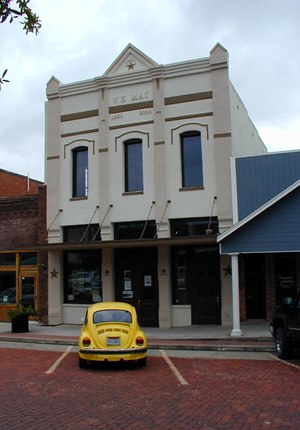
The 1890 W. H.
May Building
Photo courtesy Mike
Price, October 2007 |
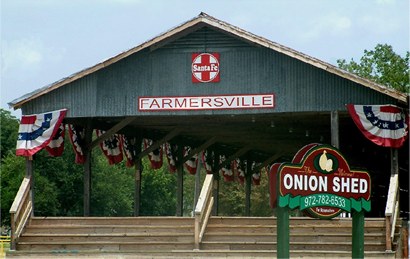
The
restored 1930's Onion Shed downtown. "we use it for our monthly
Farmers and Fleas Market and all sorts of other events."
- Farmersville Main Street |
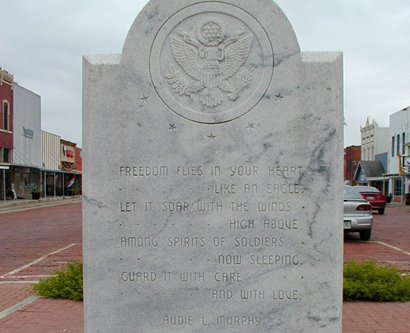
Audie Murphy
Memorial
Photo courtesy Mike
Price, October 2007 |
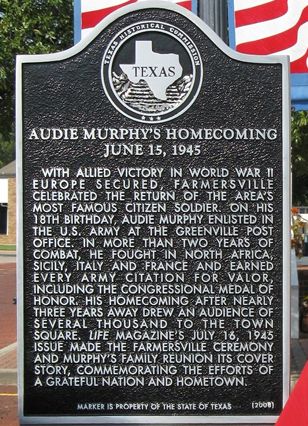
Historical marker:
Recently added to downtown, this state marker celebrates Audie Murphy's
homecoming to Farmersville in 1945 (which was covered by Life Magazine).
Photo courtesy Farmersville Main Street |
| Photos
courtesy Farmersville Main Street |
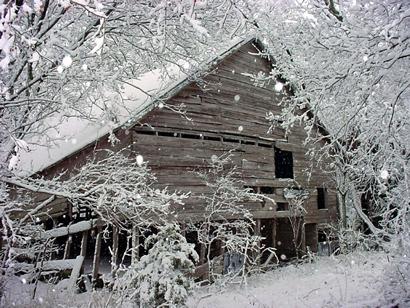
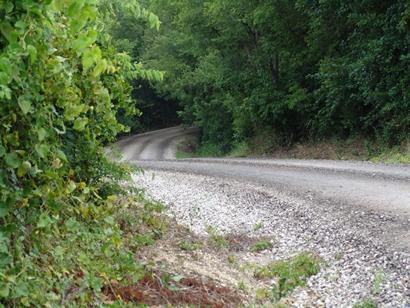
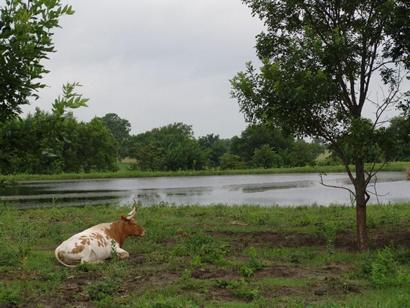
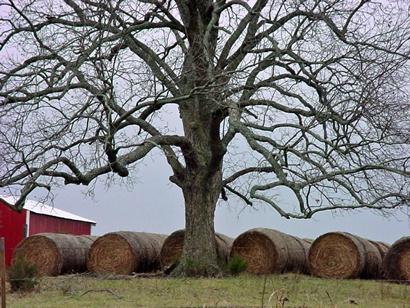
Farmersville
Country Scenes
|
| Texas
Escapes, in its purpose to preserve historic, endangered and vanishing
Texas, asks that anyone wishing to share their local history, stories,
landmarks and recent or vintage photos, please contact
us. |
|
|
 HOME
HOME