|
WHITNEY, TEXAS
Hill
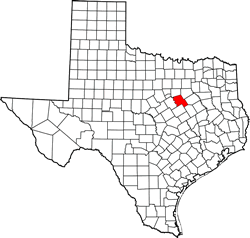
County, Central
Texas North
31°57'3"N 97°19'15"W (31.950876, -97.320716)
Highway 22, FM 933 and FM 1244
2 Miles SE of Lake Whitney
12 Miles SW of Hillsboro
the county seat
26 miles E of Meridian
3 miles E of Lake Whitney State Park on FM1244.
ZIP code 76692
Area code 254
Population: 1,992 (2020)
2,087 (2010) 1,833 (2000) 1,626 (1990)
Book Hotel Here › Whitney
Hotels |
 |
|
History
in a Pecan Shell
Established in 1876 with the arrival of the Houston and Texas Central
Railroad, things really got started in November of 1879 when lots
were auctioned off. The town’s namesake was Charles A. Whitney,
brother-in-law of New York financer J. P. Morgan, an investor in
the H&TC.
Whitney became a boom town (without having to discover oil). Tents
served as stores and the smaller nearby towns moved their businesses
to Whitney for the railroad connection. The nearby towns of Towash
and Hamilton Springs even moved their post offices to Whitney although
a Whitney post office didn’t open until 1880.
Crops in 1880 were a dismal failure and the town was so low on flour
that bread became a rare treat. The railroad had promised a bushel
of corn for each resident on the first train to arrive, but the
need was so great that the gift lasted for months.
In 1880 the first bank opened and three years later the population
was estimated to be 1,200. A proper schoolhouse was built in 1884
but a decline in residents had already started when the town was
hit by a devastating fire in 1885.
Rebuilding was done in brick but the population had shrunk to 400
in 1890. In the latter part of the 19th Century and early 20th,
passenger travel was a good part of railroad income and the train
companies provided “excursions” where whole towns would travel to
another part of their state to see the greener grass.
Whitney threw a huge picnic in 1891 and with promotion by the railroad,
people visited from as far away as Austin
County. The event was a surprising success and enough people
from the event pushed the population back over the 1,000 mark.
Whitney was affected by the boll
weevil infestation of the 20s and in 1930 the population was
back to 750 residents. Relief projects during the Great Depression
added to the town’s infrastructure and employed some residents,
but that was all.
The Whitney Dam and Reservoir Project (1944-1953) had longer-lasting
effects. The population had grown to 1,379 by 1950 and the power
plant started producing electricity in 1953. After dam construction,
the population dipped again – to 1,050 for the 1960 census.
The town suffered an economic recession and nearly 16,000 acres
that had once been growing crops were flooded by the lake.
The Lake Whitney Association was formed in the early 1950 to promote
the lake as a recreational destination. By 1972 the population hit
a high of 1,500.
A tornado struck the town on May 23, 1971 killing one but causing
considerable property damage. The 1990 population was reported as
1,626, growing to the present 2,087 (2010).
See
Whitney Historical Marker
›
|
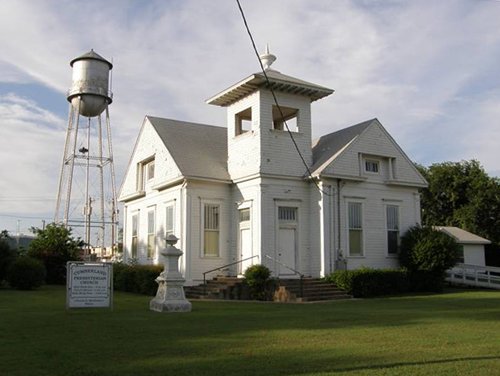
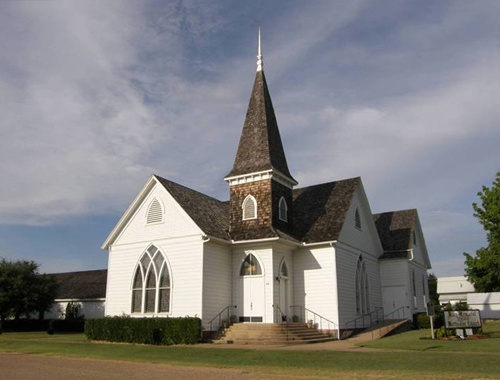
Cumberland Presbyterian
Church
Photo courtesy Barclay
Gibson, July 2007 |
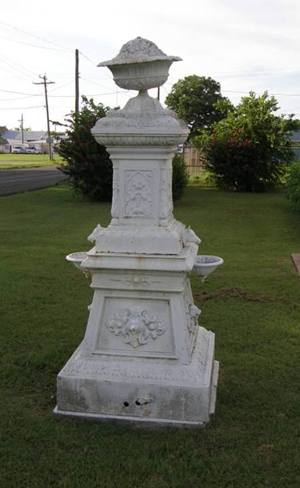
Cumberland Presbyterian
Memorial Fountain
Photo courtesy Barclay
Gibson, July 2007 |
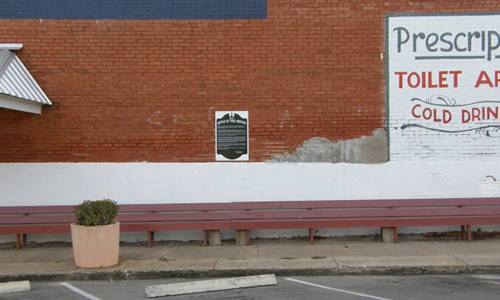
The famous benches
in Whitney
Photo courtesy Barclay
Gibson, July 2007 |
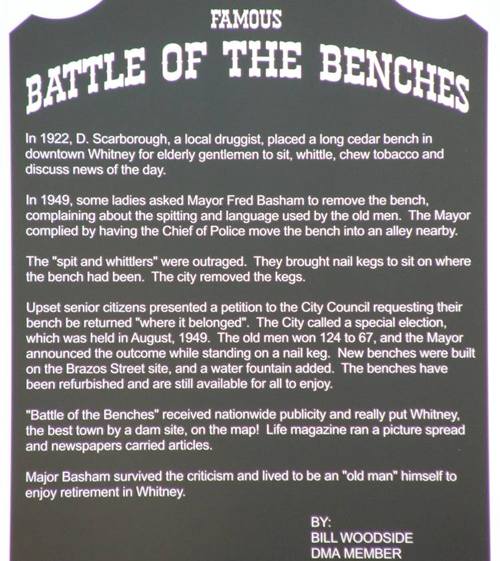
The Famous Battle
of the Benches
Photo courtesy Barclay
Gibson, July 2007 |
Whitney
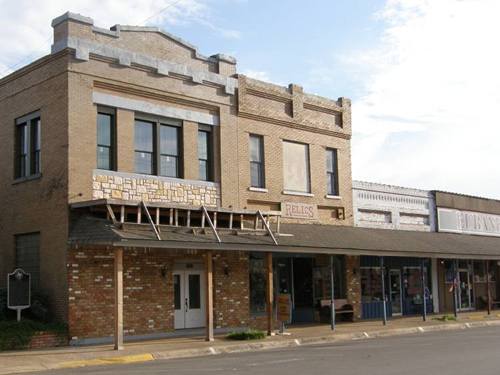
Texas Historical marker
109-111 West Washington Street, Whitney
Photo courtesy Barclay
Gibson, July 2007 |
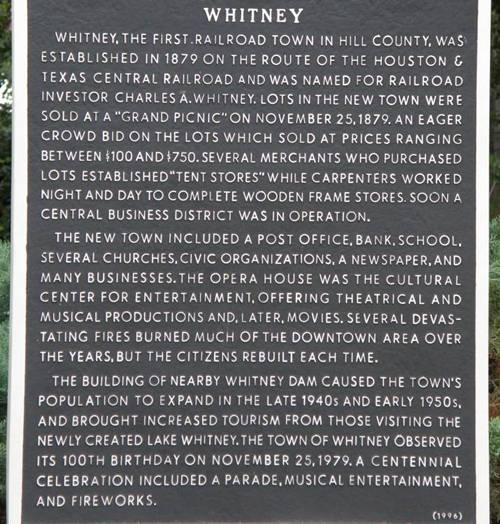
Whitney Historical
Marker:
Whitney
Whitney, the first
railroad town in Hill
County, was established in 1879 on the route of the Houston and
Texas Central Railroad and was named for railroad investor Charles
A. Whitney. Lots in the new town were sold at a "Grand Picnic" on
November 25, 1879. An eager crowd bid on the lots which sold at prices
ranging between $100 and $750. Several merchants who purchased lots
established "tent stores" while carpenters worked night and day to
complete wooden frame stores. Soon a central business district was
in operation.
The new town included a post office, bank, school, several churches,
civic organizations, a newspaper, and many businesses. The opera house
was the cultural center for entertainment, offering theatrical and
musical productions and, later, movies. Several devastating fires
burned much of the downtown area over the years, but the citizens
rebuilt each time.
The building of nearby Whitney Dam caused the town's population to
expand in the late 1940s and early 1950s, and brought increased tourism
from those visiting the newly created Lake Whitney. The town of Whitney
observed its 100th birthday on November 25, 1979. A centennial celebration
included a parade, musical entertainment, and fireworks.
(1996) |
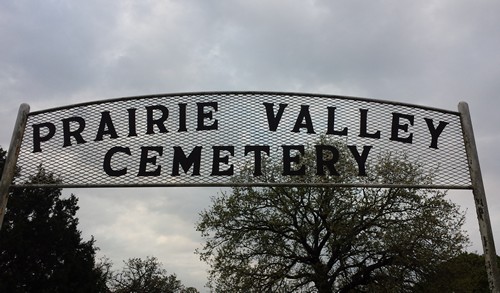
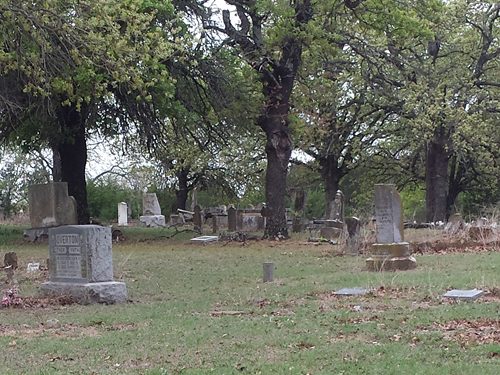
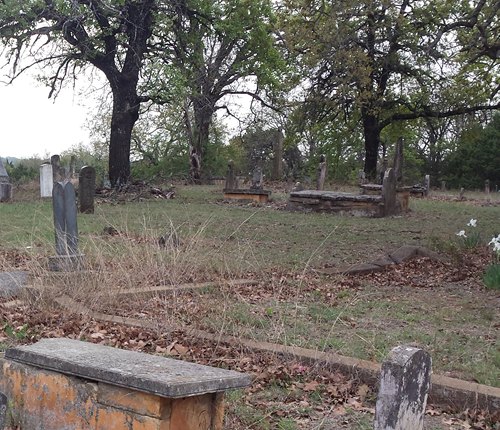
Prairie
Valley Cemetery
Photo courtesy Jen Basham, March 2018 |
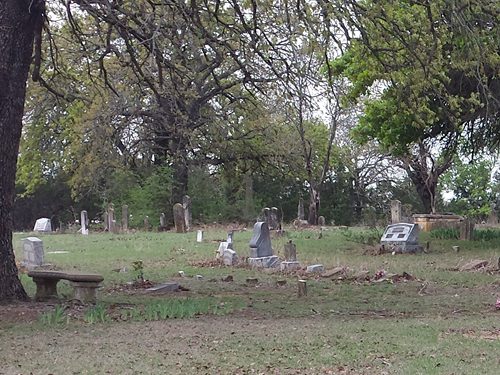
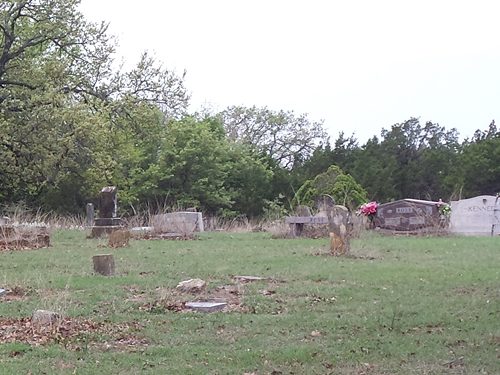
Prairie
Valley Cemetery
Photo courtesy Jen Basham, March 2018 |
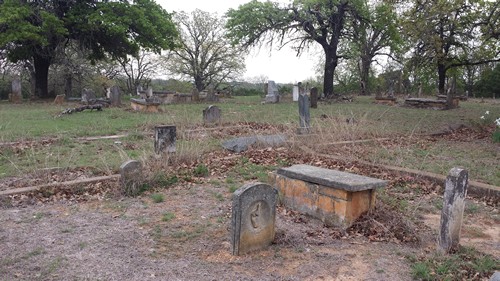
Prairie
Valley Cemetery
Photo courtesy Jen Basham, March 2018 |
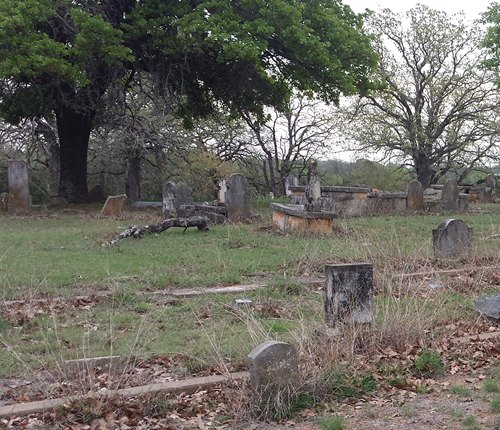
Prairie
Valley Cemetery
Photo courtesy Jen Basham, March 2018 |
Prairie
Valley Cemetery
Photo courtesy Jen Basham, March 2018 |
Prairie
Valley Cemetery
Photo courtesy Jen Basham, March 2018 |
Prairie
Valley Cemetery
Photo courtesy Jen Basham, March 2018 |
| Texas
Escapes, in its purpose to preserve historic, endangered and vanishing
Texas, asks that anyone wishing to share their local history, stories,
landmarks and vintage/historic photos, please contact
us. |
|
|
 HOME
HOME