|
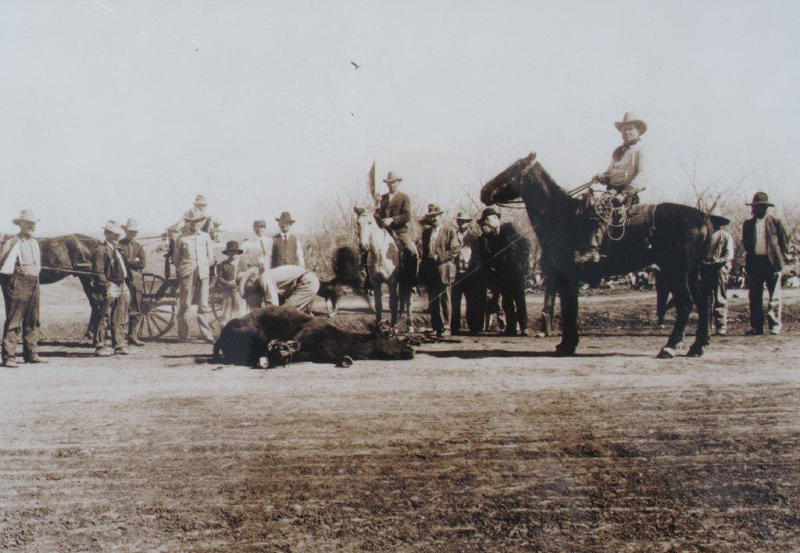
"Sal A.
Armstrong on black horse and Robert Hall (sheriff) on white horse.
Old photo has written on back - Big Wells Exposition November 1911"
Click on photo for large image
Photo courtesy Bill Armstrong. |
History in
a Pecan Shell
The
name doesn’t seem to have been an exaggeration when the town was founded.
It was named for the artesian wells that once (allegedly) jetted 30
feet into the air. Naturally with this abundance of water – it was
a prime location for land developers. There were several projects
in Dimmit County between 1909 and 1917 – like the one nearby in Valley
Wells.
The town began as a modest 480-acre parcel of an ambitious, project
that eventually reached 56,000-acres.
Promotion began in 1908 and settlers began arriving in 1910. It immediately
grew due to its location on the San Antonio, Uvalde and Gulf railroad.
By 1911 the town had a post office and in 1912 they had two schools.
The population had grown to 800 by 1915.
From 1916 to 1918, the area suffered through drought, low crop prices,
and at least one devastating hailstorm.
People went back where they came from, the newspaper closed it’s doors
in 1919 and the population dipped down to 300 in 1925 – while the
rest of the country was prospering.
Ironically by 1929, however, the population started growing – just
as the Great Depression was beginning. Throughout the 30s the population
was in the 700s and at the end of WWII
there were 866 people living in Big Wells.
The artesian wells that gave the town its name have required pumps
to produce water since World
War II.
Oil has replaced agriculture as the area’s major economic influence.
In the mid fifties the town had just over one thousand people, but
its school closed in 1955.
The population has declined at a very slow rate since then to its
current figure of 697 (2010).
Big Wells Old Photos
I grew up in Big Wells in the 50's and 60's. The pictures are of my
grandfather and grandmother and also my dad in the 1922 photo at 9
years of age. My grandmother told my father that his father gave Big
Wells its name. My grandparents moved from Frio county to Big Wells
in 1906 so it was around that time. Thanks. - Bill Armstrong, May
29, 2011 (Click here for Old Photos) |
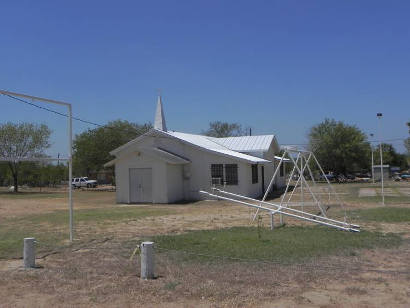
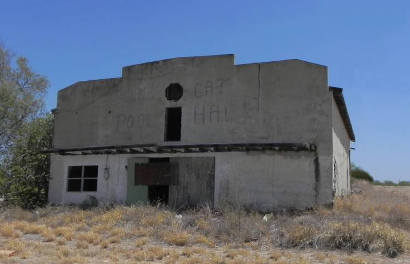
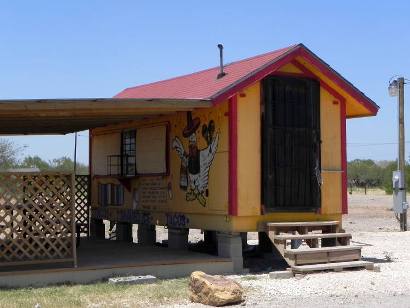
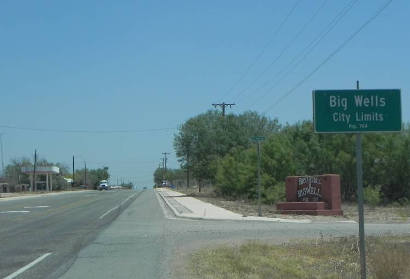
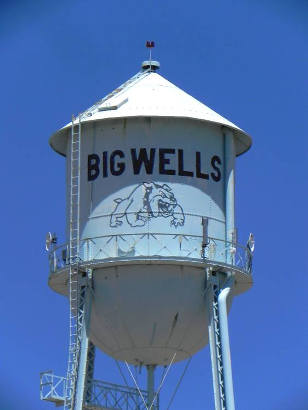
Big Wells,
Texas Landmarks
|
Big Wells,
Texas Old Photos
|
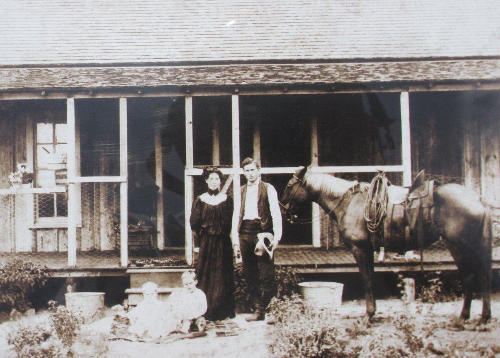
"Sal And
Lillie Armstrong on Frio County Ranch near Pearsall
in 1906 (year they left for Big Wells)"
- Photo courtesy Bill Armstrong |
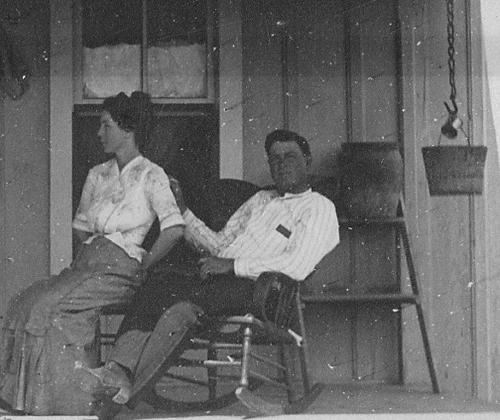
Sal and Lillie
Armstrong in Big Wells, Texas, 1914
Photo courtesy Bill Armstrong |
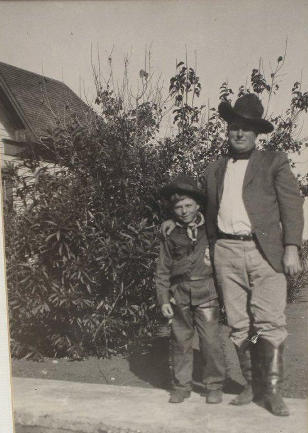
Sal A. Armstrong
and son Sal Alvin Armstrong, Jr. in Valley
Wells in November 1922.
Photo courtesy Bill Armstrong |
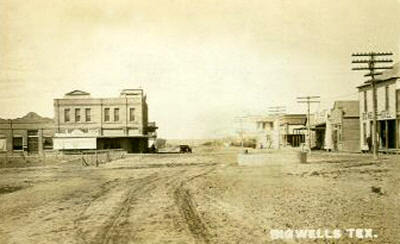
Big
Wells street scene
Photo c1914 courtesy texasoldphotos.com |
Big Wells,
Texas Forum
Subject:
Big Wells and Valley
Wells, Texas
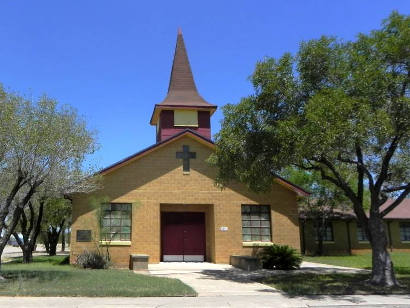
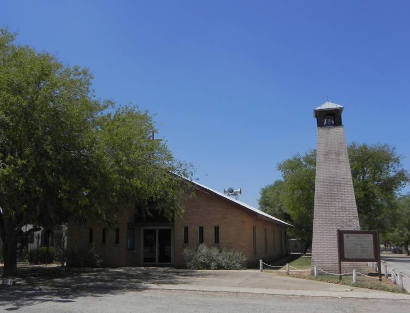
In 1950, my family moved to Big Wells, Texas, and my father was
pastor of the First Baptist Church at Big Wells. We had three of
the best years of our lives at Big Wells. While there, my father
and our family went to Valley
Wells on Thursday evenings to hold prayer services in the old
Valley Wells School. I remember some of the families that attended
the service: Don Noah and Wanda Noah, Don and Charlotte Noah, Alton
and family, the Henderson family, and I believe that Charles Rasmussen
and family sometimes attended services. There was no piano or musical
instrument, so we sang acapello. The service was not long but the
people were sincere and were very kind to our family. I remember
seeing many deer and some javelina hogs, road runners, turtles,
and pheasants. The big problem during those years that plagued the
farmers was lack of rain and the wells ran dry. The cattle had to
eat the mesquite trees and the farmers burned the needles off the
cactus so the cows could eat those. My father led the way to building
the new church at Big Wells and it was very nice for the town. I
could go on telling tales all day, but I will just say that we loved
it there and the people are still the best people in the world!
- Charlotte Ann Wyatt Rickenbaker Woodard, July 29, 2011
|
| Texas
Escapes, in its purpose to preserve historic, endangered and vanishing
Texas, asks that anyone wishing to share their local history, stories,
landmarks and recent or vintage photos, please contact
us. |
|
|
 HOME
HOME