|
POST, TEXAS
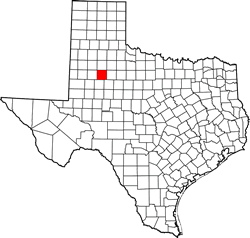
Garza County seat,
Texas Panhandle
33°11'30"N 101°22'50"W (33.191789, -101.380432)
Intersection of U.S. Hwys 380 and 84
24 miles E of Tahoka
42 miles SE of Lubbock
160 miles SE of Amarillo
125 miles NW of Abilene
73 miles miles N of Big
Spring
ZIP code 79356
Area code 806
Population: 5,115 Est. (2019)
5,376 (2010) 3,708 (2000) 3,768 (1990)
|
 |
|
History in
a Pecan Shell
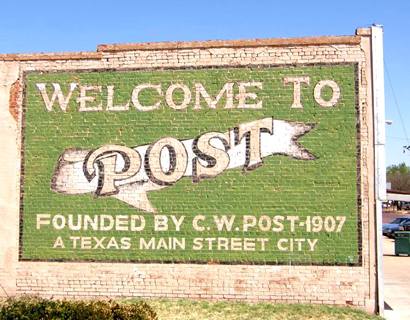
The town was founded in 1907, which is rather late
by Texas standards. C. W. Post
had already visited Texas and had
experience planning a community west of Fort
Worth. After making millions in the cereal business back in
Battle Creek Michigan, he returned to Texas
and bought 225,000 acres in Lynn and Garza Counties, platting a
town based on a grid of streets and avenues, not unlike Miami, Florida.
The town was originally called Post City, but the name was
changed (and the town incorporated) after Mr. Post's death (following
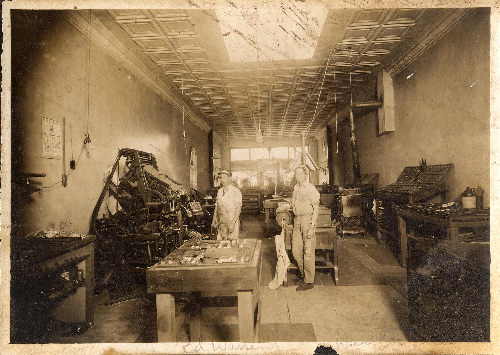
surgery) in California. They once had a newspaper called the
Post City Post.
Since Mr. Post's model city was based on an agrarian economy,
he experimented in rainmaking as a form of crop insurance. The
King Ranch had been doing their own experiments about this same
time in this inexact science, although they used U.S. Army artillery,
while Post had to make do with civilian dynamite.
The Post, Texas website contains a timeline showing the development
of the city during its first years. A history of this unusual town
and its founding has just been reprinted and is for sale at the
museum.
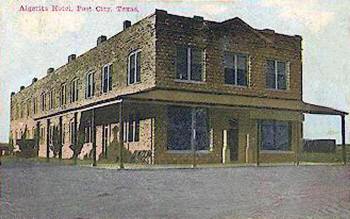
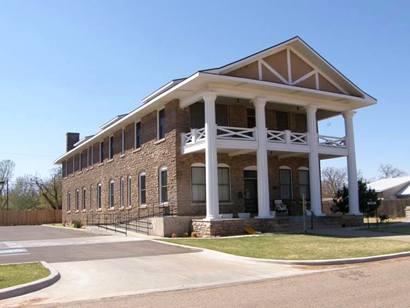
Many of the town's early structures, including the Algerita
Hotel date from the town's founding. Mr. Post's house has become
a funeral home and the town's sanitarium has become the Garza County
Museum
Post is a definite stop on any trip going through the Texas
panhandle and is a worthy destination in itself.
|
 |
Post, Texas
Landmarks & Attractions
|
 |
Garza
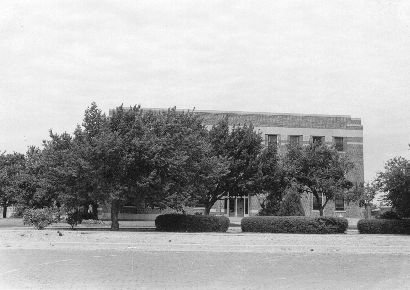
County Courthouse
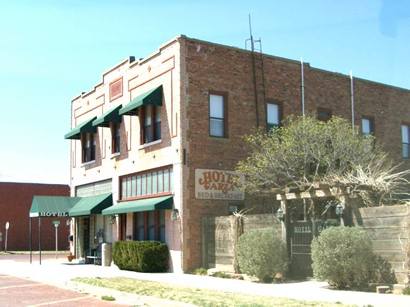
Algerita
Art Center: 129 East Main Street in the restored Algerita
Hotel Mr. Post had the hotel built to accommodate visitors considering
Post as their new home.
OS Ranch
Museum: (c. 1911) 201 East Main Street 806-495-3570 Hours: Monday
through Friday 10 to 12 and 1 to 5.
Garza County
Museum: 119 N. Avenue N. Hours: Tuesday through Saturday 10
to 5. The museum can be reached by email at garzamuseum@door.net.
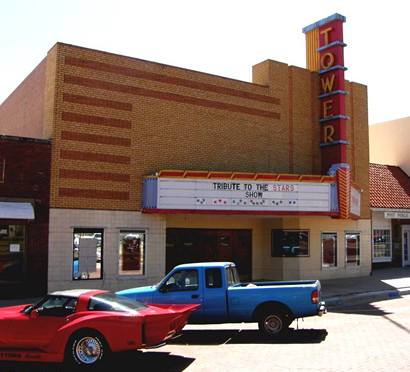
Garza Theater:
226 E, Main Street 806-495-4005 The 1920 building was
closed in 1957 and restored in 1986. Local theater
group annual awards and a schedule of performances can be found
on the city website.
Post is a definite stop on any trip going through the Texas
panhandle and is a worthy destination in itself.
Scenic Drive
FM 669 - According to the Texas Travel Guide "FM669 south
toward Gail reaches edge of Texas High Plains called the Llano
Estacado ... Highway descends the abrupt edge where plains end,
traveling through panoramas of steep cliffs and colorful canyons."
Book Hotel Here › Post
Hotels |
Post, Texas
Photo Gallery
|
Photographer's
Note:
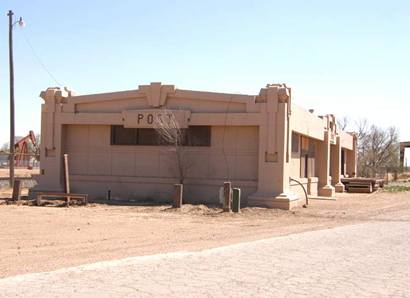
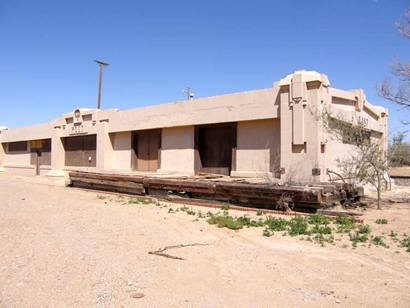
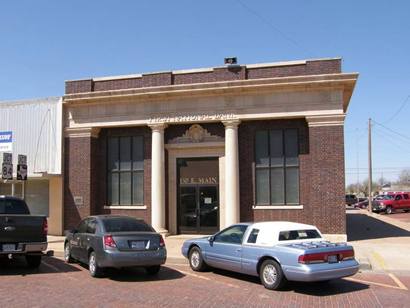
Post is a very nice town to visit. Well located and a lot of history.
When leaving Lubbock
to the southeast one always passes through Slayton
and Post. Before I just kept on truckin' but now both are worth a
slowdown. - Barclay
Gibson, November 2009 |
 |
 |
 |
 |
 |
 |
 |
 |
 |
 |
 |
 |
Historical Marker
- US 84 Rest Area, 8 miles South of Post
Llano Estacado
Stretching across
the horizon as a range of flat topped mountains is the Cap Rock
Escarpment, eastern boundary of the vast Llano Estacado or
"Staked Plains." The Llano, one of the world's most perfect plains
regions, is an elongated oval extending from north to south. Some
three quarters of it, 20 million acres, are in Texas
. The remainder is in eastern New Mexico. Its naturally treeless surface,
unbroken except for several canyons, slopes gradually from an altitude
of 2,700 feet at its eastern edge to more than 4,000 feet along the
New Mexico border. The Cap Rock Escarpment is the result of surface
erosion that began in the early pleistocene period some 750,000 years
ago. Composed of tough caliche, the Cap Rock has protected the softer
materials underlying it, thus resisting the erosive factors with varying
success. The escarpment begins in Borden County 25 miles south of
this point and extends northward in a sweeping arc 170 miles into
the Texas Panhandle. It
rises from 300 feet to 1,000 feet above the lower plains at its base,
giving the impression of having been thrust upward out of the surrounding
land. First white man to visit the Great Plains was the Spanish Conquistador
Francisco de Coronado who crossed them in 1541 on his search for the
fabled Seven Cities of Cibola. He was especially impressed by the
sea of grass which covered the soil so completely that the tracks
of his expedition left no permanent mark. The Spaniards, it is said,
staked their route so they would be guided on the return-trip-- hence
the term "staked" plains. |
Historical Marker
- US 84 Rest Area, 8 miles South of Post
OS Ranch
Founded on open range, 1878, brand was owned in 1881 by R. H. Overall.
Acquired 1901 by W. E. Connell, who had about 200 sections of land.
Ranch house a community center - for barbecues, roundups, parties.
In 1907 it was site of election organizing Garza
County.
Recorded Texas Historic Landmark, 1966. |
Historical Marker
-
From Post, Hwy 669 S 2 miles to CW Post Memorial Scout Camp
Pioneer's Well
County's first hand-dug rock-walled well. Dug 1883 by Llano Ranch
workmen. Well is 5 feet square, 40 feet deep and lined with sandstones
placed without the use of mortar. Original wood curb was destroyed
by fire, 1937. Present curb is replica. Well was used 45 years.
1968 |
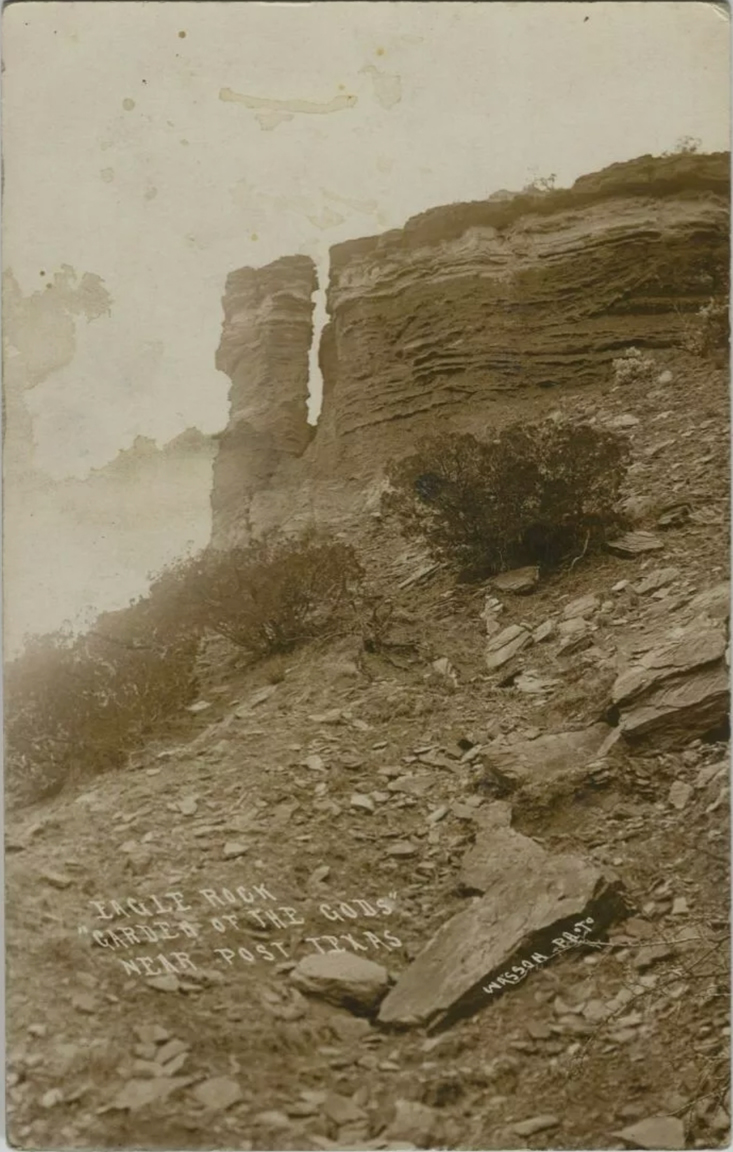
Eagle Rock "Garden
of the Gods" near Post, Texas
Click on image to enlarge
Vintage photo courtesy Dan
Whatley Collection |
Post Tourist
Information
Post Chamber of Commerce
106 S. Broadway - 806-495-3461
Website: www.posttexas.com |
| Texas
Escapes, in its purpose to preserve historic, endangered and vanishing
Texas, asks that anyone wishing to share their local history and vintage/historic
photos, please contact
us. |
|
|
 HOME
HOME