|
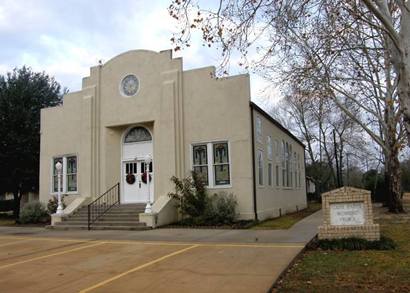
Gause United
Methodist Church
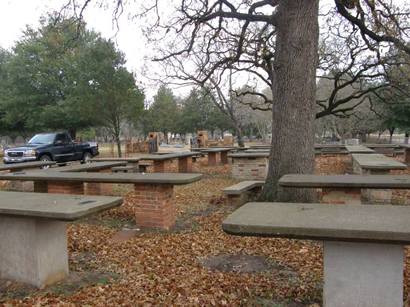
Photo courtesy Barclay
Gibson, December 2008 |
History in
a Pecan Shell
At last! A town
named after the pioneering settler and not a railroad official,
brakeman or track-walker. The man was William J. Gause and the year
was 1872. There was a strong railroad connection, however, for Mr.
Gause granted a right-of-way to the Missouri Pacific Railroad and
that was responsible for the town's early and almost immediate prosperity.
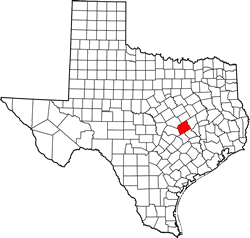
Gause was a shipping point for Milam
County farmers who shipped corn,
cotton and cottonseed oil
(ginned and processed right there in Gause). But by the 1920's,
the town started into a decline as did many Texas
towns.
The automobile became affordable and the problem of "keeping them
down on the farm" was indeed a reality after World
War I. Being only 16 miles from the county
seat, made it easy for Gausians to spend their income in Cameron.
At its population high-water mark, there were 1,000 people living
in Gause, although it's hard to imagine that now. The population
reached its lowest point with just over 200 people in the 1970s.
The population is experiencing current growth (est. 400) as many
people are escaping the larger towns that their grandparents found
so magnetic.
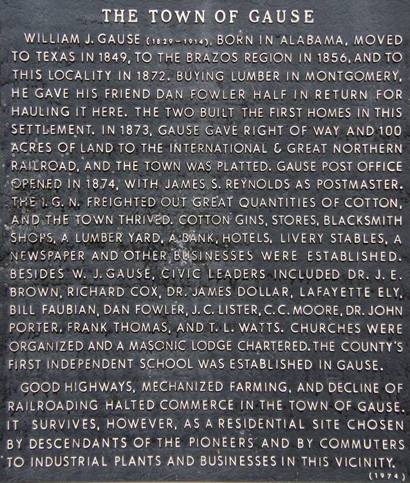
See Historical Marker ›
|
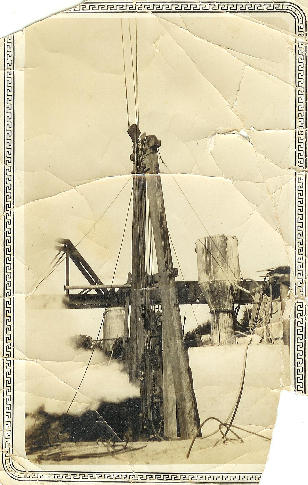
Early 1920's
Photo of Original Brazos River Bridge in Gause TX under Construction
Found this photo in my Mothers Old Photo box. Her Name is Louise Lange
Clos. She was Born in Gause TX in 1927. Her Parents were Louie and
Margie Lange of Gause TX. I believe this bridge was located behind
The Lange Family Property which was located between Hearne
and Gause on Hwy 79. There was a state Park back there also. This
photo is was taken during the Construction of that Bridge. - Suellen
Denis, January 22, 2014 |
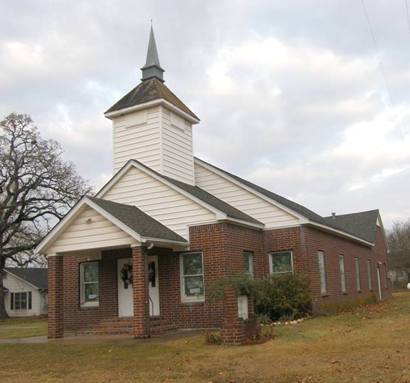
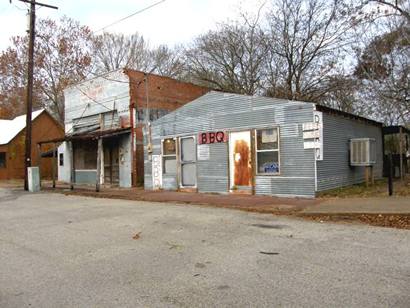
| Photos
courtesy Joe Williams |
Gause, Texas
Forum
Subject: Milam
County Texas
There was a man named Bigfoot Ray or John Bigfoot Ray who was killed
in a bar fight in Rosebud,
Texas. I don't know the year but it was probably in the 1920's.
He was part Native American. He was from Mississippi or Alabama. Someone
said he was buried in an Indian cemetery on the way to Gause, Texas
but I don't know if that is correct. Would anyone have a source that
might make mention of a Bigfoot Ray or a John Bigfoot Ray? Thanks,
Ross Smith, July 19, 2006. rsmith6670@msn.com |
| Texas
Escapes, in its purpose to preserve historic, endangered and vanishing
Texas, asks that anyone wishing to share their local history, stories,
landmarks and vintage/historic photos, please contact
us. |
|
|
 HOME
HOME